Text of page 21
UNCLASSIFIED//TOR OFf TETAL USE ONLY
An enzyme-gel is applied in a thin layer over a electrically biased metal electrode. An
electrical current flows through the electrode when the hydrogen peroxide produced by
the glucose reaction is decomposed and causes an electrical current to flow. If there is
a fixed concentration of glucose present, a corresponding amount of peroxide will be
produced, and this can be measured by the electrical current flow. The amount of
peroxide measured is an indicator of the glucose concentration. The actual amount of
analyte consumed by a small BioMEMS sensor is exceedingly small and has no
significant effect on the local concentration.
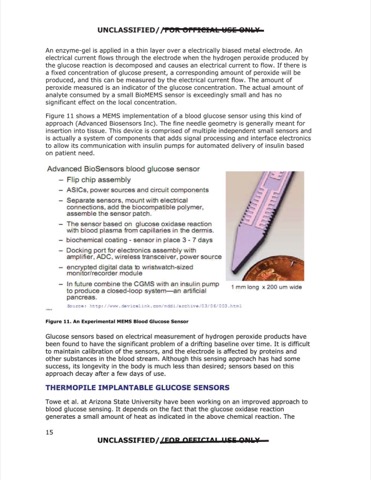
Figure 11 shows a MEMS implementation of a blood glucose sensor using this kind of
approach (Advanced Biosensors Inc). The fine needle geometry is generally meant for
insertion into tissue. This device is comprised of multiple independent small sensors and
is actually a system of components that adds signal processing and interface electronics
to allow its communication with insulin pumps for automated delivery of insulin based
on patient need.
Advanced BioSensors blood glucose sensor
- Flip chip assembly
- ASICs, power sources and circuit components
- Separate sensors, mount with electrical
connections, add the biocompatible polymer,
assemble the sensor patch.
- The sensor based on glucose oxidase reaction
with blood plasma from capillaries in the dermis.
- biochemical coating - sensor in place 3 - 7 days
- Docking port for electronics assembly with
amplifier, ADC, wireless transceiver, power source
- encrypted digital data to wristwatch-sized
monitor/recorder module
- In future combine the CGMS with an insulin pump
to produce a closed-loop system—an artificial
pancreas.
1 mm long x 200 um wide
Source: http://www.devicelink.com/mddi/archive/03/06/003.html
Figure 11. An Experimental MEMS Blood Glucose Sensor
Glucose sensors based on electrical measurement of hydrogen peroxide products have
been found to have the significant problem of a drifting baseline over time. It is difficult
to maintain calibration of the sensors, and the electrode is affected by proteins and
other substances in the blood stream. Although this sensing approach has had some
success, its longevity in the body is much less than desired; sensors based on this
approach decay after a few days of use.
THERMOPILE IMPLANTABLE GLUCOSE SENSORS
Towe et al. at Arizona State University have been working on an improved approach to
blood glucose sensing. It depends on the fact that the glucose oxidase reaction
generates a small amount of heat as indicated in the above chemical reaction. The
15
UNCLASSIFIED/ LEOR OFFICIAL LISE ONLY