Text of page 27
UNCLASSIFIED/TOR OFFIC
AL USE ONLY
PMMA, however, is not an ideal
contact lens material since no oxygen
is transmitted through the lens to the
conjunctiva and cornea. This can
cause a number of adverse clinical
effects. To solve this problem, a range
of oxygen-permeable but rigid
materials were developed. These
materials, referred to as "rigid gas-
permeable" or "RGP" materials or
lenses, were made by synthetically
adding dimethylsiloxane (a form of
silicone) to acrylate plastics. Silicones
have a very high level of oxygen
transport, and amalgamating them
with plastics adds this quality, while
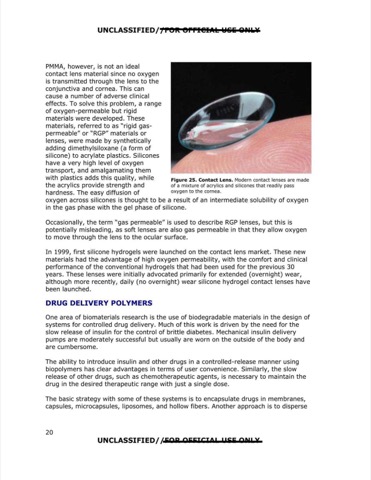
Figure 25. Contact Lens. Modern contact lenses are made
the acrylics provide strength and
of a mixture of acrylics and silicones that readily pass
hardness. The easy diffusion of
oxygen to the cornea.
oxygen across silicones is thought to be a result of an intermediate solubility of oxygen
in the gas phase with the gel phase of silicone.
Occasionally, the term "gas permeable" is used to describe RGP lenses, but this is
potentially misleading, as soft lenses are also gas permeable in that they allow oxygen
to move through the lens to the ocular surface.
In 1999, first silicone hydrogels were launched on the contact lens market. These new
materials had the advantage of high oxygen permeability, with the comfort and clinical
performance of the conventional hydrogels that had been used for the previous 30
years. These lenses were initially advocated primarily for extended (overnight) wear,
although more recently, daily (no overnight) wear silicone hydrogel contact lenses have
been launched.
DRUG DELIVERY POLYMERS
One area of biomaterials research is the use of biodegradable materials in the design of
systems for controlled drug delivery. Much of this work is driven by the need for the
slow release of insulin for the control of brittle diabetes. Mechanical insulin delivery
pumps are moderately successful but usually are worn on the outside of the body and
are cumbersome.
The ability to introduce insulin and other drugs in a controlled-release manner using
biopolymers has clear advantages in terms of user convenience. Similarly, the slow
release of other drugs, such as chemotherapeutic agents, is necessary to maintain the
drug in the desired therapeutic range with just a single dose.
The basic strategy with some of these systems is to encapsulate drugs in membranes,
capsules, microcapsules, liposomes, and hollow fibers. Another approach is to disperse
20
UNCLASSIFIED/ /EOR OFFICIAL USE ONLY