NASA-UAP-VM002
Apollo 12, 1969
- Agency
- NASA
- Format
- Photograph
- Incident date
- 1969
- Place
- Moon
- Released
- Release 01, May 8, 2026
- Source
- war.gov
- Topics
- Photos & film, Spaceflight
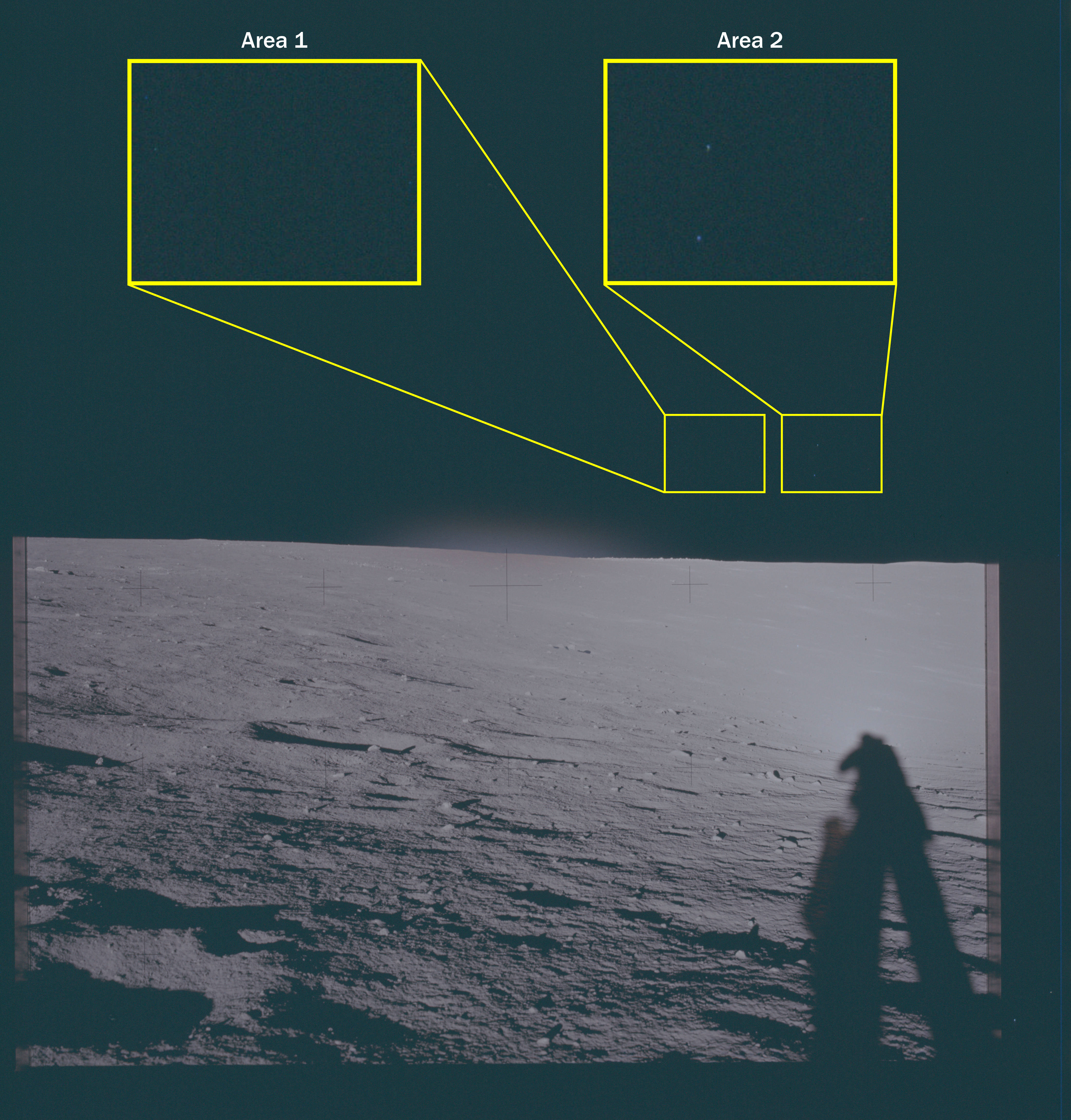
Description from war.gov

Machine summary
Written by Claude Sonnet 4.6 (Anthropic) on May 22, 2026, from the record's text and war.gov's description. It is not part of the record and can contain errors; check it against the document.
NASA-UAP-VM002 is an archival photograph from the Apollo 12 lunar landing mission (1969), released by NASA on May 8, 2026, as part of the PURSUE Release 01 declassification program. The image shows the lunar surface as viewed from the Apollo 12 landing site. Two areas in the frame, labeled "Area 1" and "Area 2," have been highlighted by annotators; both appear slightly right of center, above the lunar horizon, and contain unidentified phenomena. The document type is classified as an image (IMG), and no accompanying OCR text is available.
The record is notable primarily because it represents an officially released NASA photograph from a crewed lunar mission that has been formally flagged for containing anomalous visual content. The agency-added annotations indicate institutional acknowledgment of the areas of interest, though the release documentation explicitly states the highlights carry no analytical or investigative conclusion. No further contextual materials, witness statements, or technical analyses are included in this release, leaving the nature of the highlighted phenomena undetermined.
Most frequent words
Select one to search the archive for it.
Related records
Similar records 8
Closest matches by the text of the documents.
-
 NASA-UAP-VM004 Apollo 12, 1969
1969
-
 NASA-UAP-VM001 Apollo 12, 1969
1969
-
 NASA-UAP-VM005 Apollo 12, 1969
1969
-
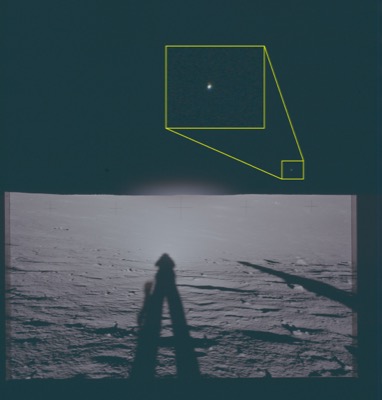 NASA-UAP-VM003 Apollo 12, 1969
1969
-
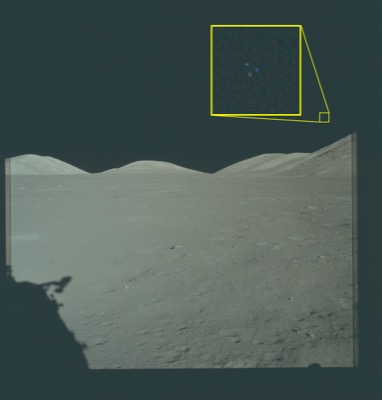 NASA-UAP-VM006 Apollo 17, 1972
1972
-
 NASA-UAP-D029 Apollo 17 Crew Medical Debriefing (Continued), 1972
12/21/72
-
 NASA-UAP-D006 Apollo 17 Technical Crew Debriefing, 1973
1973
-
 NASA-UAP-D004 Apollo 11 Technical Crew Debriefing, 1969
1969