DOW-UAP-D172

BAASS Ten-Month Report, July 2009, page 32

One page of a U.S. government record released under PURSUE, shown on its own with its text. The record page has the whole document, its catalog details and the scan.

Page
32 of 538
Agency
Department of War
Released
Release 08, November 20, 2026

Archive note war.gov's data file does not mark this record as redacted, but the file carries FOIA exemption stamps (for example "(b)(3)") where material was withheld. See all corrections

Text of page 32

This information is preprietary and cannot be disseminated of used- without prior written consent from the Operating Manager ef 2.A.ASS 8. unusual. Examples could be bent or broken vegetation, scorch marks on the ground or vegetation, unusual depressions in the soil, potential artifacts, etc. Use of evidence flags to mark the site should be employed to aid in documentation and as a visual aid in collection of evidence. The site should be documented by photographs and video. GPS readings should be employed to mark all relevant features and the locations of evidence taken. A history of use for the site should be generated provided such information is available. For example, was the site used as a pasture, were crops grown, if so, what types, was there any disturbances such as plowing or earthmoving/backfilling? Samplings should proceed from the periphery and progress inward to minimize contamination and dispersal of potential evidence. Control samples of the same type of material need to be obtained from locations at a minimum distance of 10-15 feet outside of the periphery. For example, if plant material is collected inside the periphery, the same type of plant material must be sampled from outside the periphery. Prior to any physical samples being taken, nondestructive surveying of the site should be taken using the instruments indicated below. In the absence of visual physical evidence (scorch marks, bent or broken vegetation, depressions in the soil), surveying might be able to define the location and dimensions of the site, allowing for more efficient sampling and minimizing unnecessary samples. a. Radiation monitor b. Electromagnetic field (EMF) c. Radiofrequency (RF) d. X-ray Fluorescence (XRF) Should any elevated readings be obtained with the above instrumentation, relevant samples should be obtained before proceeding with the survey. Page 26

Machine-read (OCR) from the scan by this archive; it can contain errors. The scan is the record.
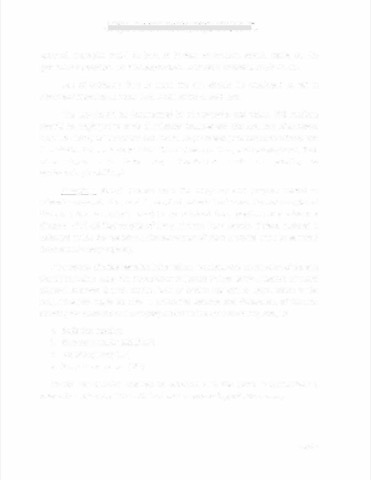
Image from page 32 of DOW-UAP-D172, as released by war.gov
Image from page 32 of the PDF. Open the scan to see the whole page.

Cite this page

U.S. Department of War. "BAASS Ten-Month Report, July 2009" (DOW-UAP-D172). PURSUE Release 08, U.S. Department of War, November 20, 2026. https://www.war.gov/medialink/ufo/docs-112026-release-08/DOW-UAP-D172-BAASS_Ten_Month_Report_July-2009.pdf. Declassified UAP, page 32, https://declassifieduap.org/r/dow-uap-d172-baass-ten-month-report-july-2009/p/32. Accessed November 28, 2026.

This address shows page 32 on its own; /r/dow-uap-d172-baass-ten-month-report-july-2009?page=32 opens the same page in the full reader. Both stay. How to cite.